Probiotics and Mental Well-Being: Unraveling the Gut-Brain Connection

0 Comments
supplement

In the journey towards holistic health, one often overlooked yet increasingly recognized player is our gut. Yes, that’s right. Our digestive system isn’t just about processing food; it also has a profound impact on our mental well-being. How is this possible, you ask? The answer lies in the fascinating realm of the gut-brain connection, where probiotics play a starring role. Let’s embark on a journey of discovery, unraveling the mysteries of how probiotics can positively influence our mental health and overall sense of well-being.

The Gut-Brain Axis: A Two-Way Street

belly

First, let’s lay the groundwork by understanding the gut-brain axis. This intricate communication highway connects our gut (comprising millions of bacteria, both good and bad) with our brain via neural, hormonal, and immunological pathways. Surprisingly, this connection isn’t a one-way street; it’s more like a bustling thoroughfare of information exchange.

Probiotics: Nature’s Health Boosters

Probiotics is a friendly bacteria that can tip the balance in favor of good gut health. These beneficial microorganisms, commonly found in fermented foods like yogurt, kefir, and kimchi and in dietary supplements, have garnered attention for their potential to support digestive health.

Beyond Digestion: Probiotics and Mood Regulation

But here’s where it gets truly fascinating: emerging research suggests that probiotics can do more than aid digestion – they can also influence our mood and mental state. How? By producing neurotransmitters like serotonin and gamma-aminobutyric acid (GABA), often dubbed the “feel-good” neurotransmitters.

Probiotics for Stress and Anxiety Relief

In our fast-paced world, stress and anxiety have become common companions for many. The good news is that certain probiotic strains, such as Lactobacillus and Bifidobacterium, have shown promise in reducing stress hormone levels, promoting relaxation, and alleviating symptoms of anxiety.

Gut Health and Cognitive Function

But wait, there’s more! Probiotics may also positively impact cognitive function. Studies suggest that a healthy gut environment, fostered by probiotics, can enhance cognitive performance, memory, and focus. It’s like giving your brain a nourishing boost from within. Let’s not forget that a healthy gut contributes to a robust immune system. By promoting a balanced gut microbiome, probiotics help fortify our body’s defenses, keeping us resilient against infections and illnesses that can damage our mental and physical health.

Incorporating Probiotics Into Your Wellness Routine
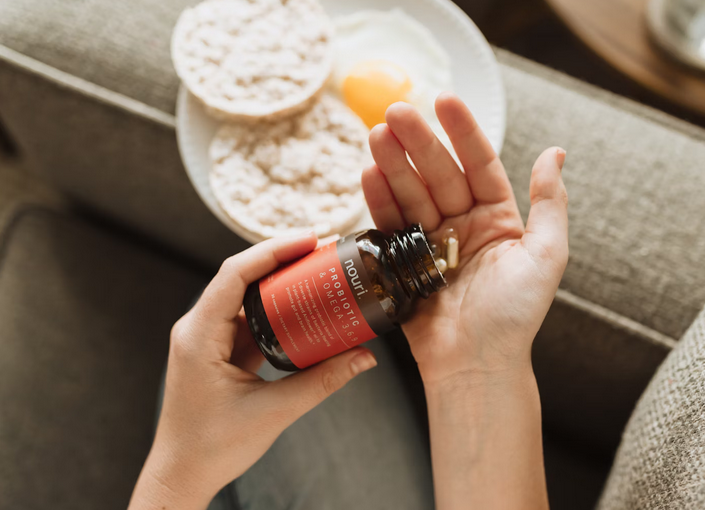
probiotic

So, how can you harness the potential benefits of probiotics for your mental wellbeing? Here are some practical tips:

  1. Include Probiotic-Rich Foods: Incorporate fermented foods like yogurt, sauerkraut, and kombucha into your diet for a natural probiotic boost.
  2. Consider Probiotic Supplements: Talk to your healthcare provider about adding a high-quality probiotic supplement to your daily regimen, especially if you’re looking to target specific health concerns.
  3. Mindful Eating: Practice mindful eating habits, chew your food thoroughly, and savor each bite to support optimal digestion and absorption of nutrients, including probiotics.
  4. Manage Stress: Incorporate stress-reducing activities into your routine, such as meditation, yoga, deep breathing exercises, or spending time in nature, to complement the benefits of probiotics for stress relief.
  5. Prioritize Sleep: Quality sleep is crucial for overall well-being, including gut health and mental resilience. Aim for a consistent sleep schedule and create a relaxing bedtime routine.

While probiotics aren’t a magical cure-all, they undoubtedly play a vital role in nurturing our gut health, which, in turn, can have far-reaching effects on our mental and emotional equilibrium. By understanding and embracing the gut-brain connection and incorporating probiotics as part of a balanced lifestyle, we take proactive steps towards a happier, healthier self from the inside out.…



Retrieval Practice: A Brain Exercise to Improve Long-Term Memory

0 Comments
learn

Living in 2023 is so great because we can supercharge our memory with a simple yet effective technique: retrieval practice. Imagine being able to effortlessly recall information, whether it’s for an exam, a presentation, or just everyday life. Though a great supplement can still play an important role in your brain, real brain exercise is still mandatory.

Retrieval practice is like hitting the gym for your mind, helping you retain knowledge in the long term. But what is it really? Read ahead as we’ll explore what retrieval practice is all about, delve into its science-backed benefits, learn how to perform it effectively, and discover why it’s a game-changer for improving your memory.

The Overview of Retrieval Practice

information

Retrieval practice is a powerful learning technique involving actively recalling information from memory instead of simply reviewing or rereading it. It’s like flexing your brain muscles to retrieve the knowledge that has been stored away. Unlike passive studying methods, where you read and highlight textbooks, retrieval practice requires effort and engagement.

This process strengthens neural connections associated with the learned material, making it easier for you to access and remember in the future. Think of retrieval practice as a mental workout that helps solidify what you’ve learned into long-term memory.

The Science-Backed Benefits of Retrieval Practice

writeOften referred to as the testing effect, this practice is a powerful brain exercise proven to enhance long-term memory. But don’t just take my word for it – there is solid scientific evidence backing up these claims. Numerous studies have shown that when we actively retrieve information from our memory, rather than just reviewing it, we improve our ability to retain and recall that information in the future. This means that engaging in regular retrieval practice can help us strengthen our memory and boost our learning outcomes.



One study conducted by researchers at Kent State University found that students who engaged in retrieval practice performed better on final exams compared to those who relied solely on passive studying techniques like rereading notes or highlighting text. The act of actively recalling information strengthens the neural connections related to that knowledge, making it easier for us to access later on.

How to Perform Retrieval Practice

review

Retrieval practice is a powerful brain exercise that can significantly improve long-term memory. But how exactly do you perform retrieval practice? The process is quite simple and can be incorporated into your daily study routine.

First, start by reviewing the material you want to remember. Next, put away your materials and try to recall as much as possible from memory. Start with broad questions about the main ideas or overarching themes. Then gradually move on to more specific questions that require you to retrieve smaller details.

If you’re struggling with a particular question or concept, don’t give up too quickly. Instead, take a moment to reflect on what you do remember and try approaching it from a different angle. Once you’ve completed this retrieval practice session, go back to your materials and check if your answers were correct or if there are any gaps in your knowledge.

Key Takeaway

In this fast-paced digital age, it can be easy to rely on external tools and resources to store information. By regularly challenging yourself to recall information from your memory instead of simply reviewing or rereading material, you can strengthen neural connections and enhance your ability to remember and retain knowledge over time. Give this brain exercise a try and experience the benefits firsthand. Your long-term memory will thank you.…


What You Need to Know About Sleep

0 Comments
sleep

We all know how important sleep is for our overall well-being, but did you know that building a healthy sleeping pattern can profoundly impact your physical and mental health? In today’s fast-paced world, it can be challenging to prioritize sleep amidst countless commitments and distractions. However, by understanding the importance of sleep and implementing simple strategies into your routine, you can achieve better quality rest and feel refreshed every morning. Here is a detailed look at the importance of sleep and how much is adequate.

What Is the Importance of Sleep?

A good night’s rest is not just a luxury but essential to maintaining our overall health and well-being. Sleep helps with our physical, mental, and emotional functioning. When we sleep, our bodies undergo important processes that help restore and repair tissues, promote growth and development, boost immune function, regulate hormones, and support cognitive functions such as memory retention and learning.

Not getting enough quality sleep can seriously affect many aspects of our lives. It can lead to decreased productivity, impaired concentration, focus, increased risk of accidents or injuries due to drowsiness, weakened immune system leading to frequent illnesses, mood swings, or irritability throughout the day.

On the other hand, prioritizing adequate rest has numerous benefits. It enhances our ability to concentrate on tasks while improving problem-solving and decision-making abilities. Moreover, a well-rested mind is more resilient when faced with stressors or challenges. Additionally, getting sufficient sleep has been linked to better cardiovascular health by reducing the risk of heart disease.

quality sleeping

How Much Sleep Do You Need?

One of the key factors in building a healthy sleeping pattern is understanding how much sleep your body needs. While it may vary from person to person, general guidelines can help you determine the right amount of sleep for optimal health and well-being.

The National Sleep Foundation recommends that adults between 18 and 64 aim for seven to nine hours of sleep per night. However, age, lifestyle, and overall health can influence this number. Teenagers require more sleep than adults due to their rapid growth and development. They need about eight to ten hours of sleep each night. Older adults may need slightly less sleep, around seven to eight hours.

It’s important to note that consistently getting too little or too much sleep can negatively affect your health. Lack of sufficient sleep can lead to fatigue, difficulty concentrating, mood swings, and an increased risk of chronic conditions like obesity and heart disease. Creating a calming bedtime routine and ensuring a comfortable sleeping environment will go a long way in promoting deep and rejuvenating rest.

Building a healthy sleeping pattern is essential for overall well-being and optimal functioning. By understanding the importance of sleep and determining how much sleep we need, we can improve the quality and quantity of our sleep.…


Top 5 Foods With Probiotics

0 Comments
yogurt

Probiotics are a beneficial type of bacteria that can improve your overall health. They are found in some foods, and adding them to your diet can be a great way to boost your health.

According to recent research, probiotics can help with various health issues, including digestive problems, skin conditions, and even mental health disorders. Probiotics also boost the immune system, making them a great way to keep your body healthy and strong.

There are many ways to get probiotics into your system to choose the best method. Here is a list of the top probiotic foods you should add to your diet.

Yogurt

Yogurt is a great source of probiotics and is also delicious and versatile. You can add yogurt to your breakfast cereal or oatmeal, make a healthy yogurt smoothie, or even use it as a base for dips and sauces.

Kefir

Kefir is a fermented milk drink that originated in the Caucasus Mountains. It is made by adding kefir grains to milk, which then ferments and creates a slightly tangy, effervescent beverage. Kefir has been traditionally consumed for its health benefits, aiding digestion, boosting immunity, and promoting lactose intolerance.

Soft Cheese

cheeseSoft cheese is a type of cheese with a lower fat and moisture content than other types of cheese. Soft cheeses include feta, Brie, Camembert, panela, queso Blanco, queso fresco, ricotta, Roquefort, and blue cheese.

Some cheeses are made with probiotic bacteria, while others naturally contain probiotics. Probiotic soft cheeses have live and active cultures, which can help improve your gut health.

Sour Pickles

Sour pickles are cucumbers fermented in a brine (salt water) solution. The fermentation process creates lactic acid, which gives sour pickles their characteristic tart flavor. Sour pickles are a great source of probiotics and can also help promote healthy digestion. Eating sour pickles may also help reduce the risk of some diseases, such as cancer.

Tempeh

tempehIndonesians invented the fermented soybean food known as tempeh. It is produced by inoculating soybeans with a rhizopus mold, and the resulting substance resembles a cake and can be prepared similarly to other varieties of meat. Tempeh is a good source of protein and fiber, and it also contains probiotics.

Probiotics are a great way to improve your overall health. They can help with digestion, skin conditions, and mental health disorders, among other things. You can get probiotics from many different foods, so there’s sure to be something that fits into your diet. Adding probiotic-rich foods to your diet is a great way to boost your health and well-being.…